Five Forces Analysis for Niche Markets and Startups

Five Forces Analysis for Niche Markets and Startups

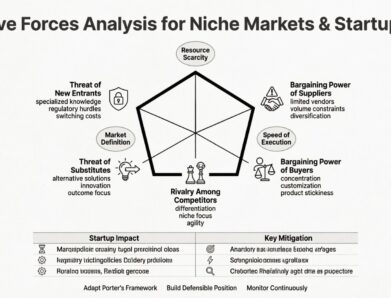
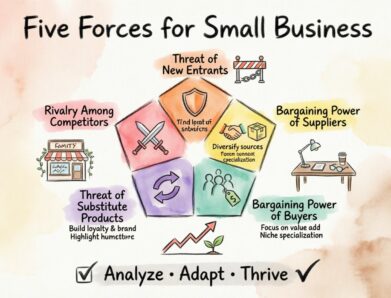
Navigating the business landscape as a new entrant requires more than just a great idea. It demands a rigorous understanding of the competitive environment. For startups and niche market players, the traditional strategic frameworks often need adaptation. The Five Forces model, originally developed by Michael Porter, offers a structured way to analyze industry attractiveness. However, […]

How C4 Model Enables Better Communication Between Technical and Non-Technical Stakeholders

How C4 Model Enables Better Communication Between Technical and Non-Technical Stakeholders

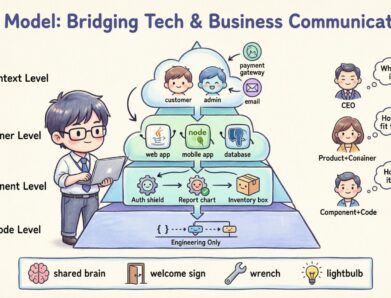
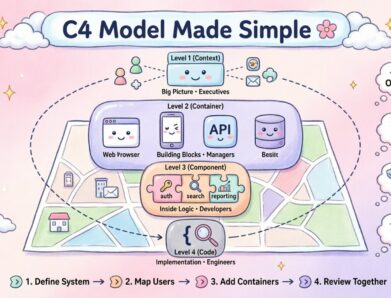
In the modern landscape of software development, the chasm between engineering teams and business stakeholders often leads to friction, misalignment, and delays. Engineers speak in syntax, architecture, and protocols, while business leaders focus on value, timelines, and market fit. Bridging this divide requires a shared visual language that abstracts complexity without losing critical detail. The […]

Five Forces Model Q&A: Answers for Sole Proprietors and Family Businesses

Five Forces Model Q&A: Answers for Sole Proprietors and Family Businesses

Running a sole proprietorship or a family-owned enterprise involves unique challenges that differ significantly from large corporations. While big companies have dedicated strategy departments, you often wear multiple hats. Understanding your competitive landscape is critical, yet the tools available can feel overwhelming. The Porter’s Five Forces framework provides a structured way to analyze industry attractiveness […]

C4 Model and DevOps: Aligning Architecture with Continuous Delivery

C4 Model and DevOps: Aligning Architecture with Continuous Delivery

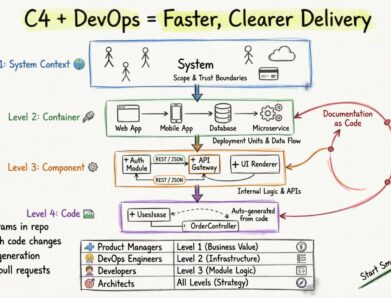
Software architecture often sits in tension with the speed of modern development. Teams striving for rapid deployment cycles frequently view documentation as a bottleneck. Conversely, rigid architectural frameworks can slow down the continuous delivery pipeline. The C4 Model offers a structured approach to software architecture that bridges this gap. By categorizing diagrams into distinct levels […]

C4 Model for Non-Technical Stakeholders: Making Architecture Accessible

C4 Model for Non-Technical Stakeholders: Making Architecture Accessible

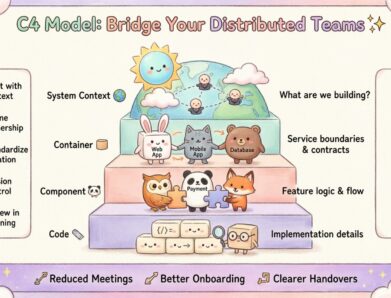
Software systems are complex structures. They involve data, logic, networks, and user interactions. For business leaders, project managers, and clients, understanding how these pieces fit together can feel overwhelming. Technical jargon often creates barriers. The C4 Model provides a solution. It is a method for visualizing software architecture that works for everyone. This guide explains […]

Real-World Case Studies of the Five Forces in Action

Real-World Case Studies of the Five Forces in Action

Strategic planning requires a clear understanding of the competitive landscape. One of the most enduring frameworks for this analysis is Michael Porter’s Five Forces model. It provides a structured approach to evaluating the intensity of competition within an industry. This guide examines how these forces manifest in actual business environments. We will explore specific industries […]

Rivalry Among Existing Competitors: The Heart of Five Forces

Rivalry Among Existing Competitors: The Heart of Five Forces

When analyzing an industry, few factors hold as much weight as the intensity of competition between current players. This dynamic, known as rivalry among existing competitors, sits at the core of Michael Porter’s Five Forces framework. It dictates profitability, strategic direction, and long-term viability for businesses operating within a specific market sector. Understanding this force […]